Root Canal Treatment in Virginia Beach, VA | Hilltop Dental
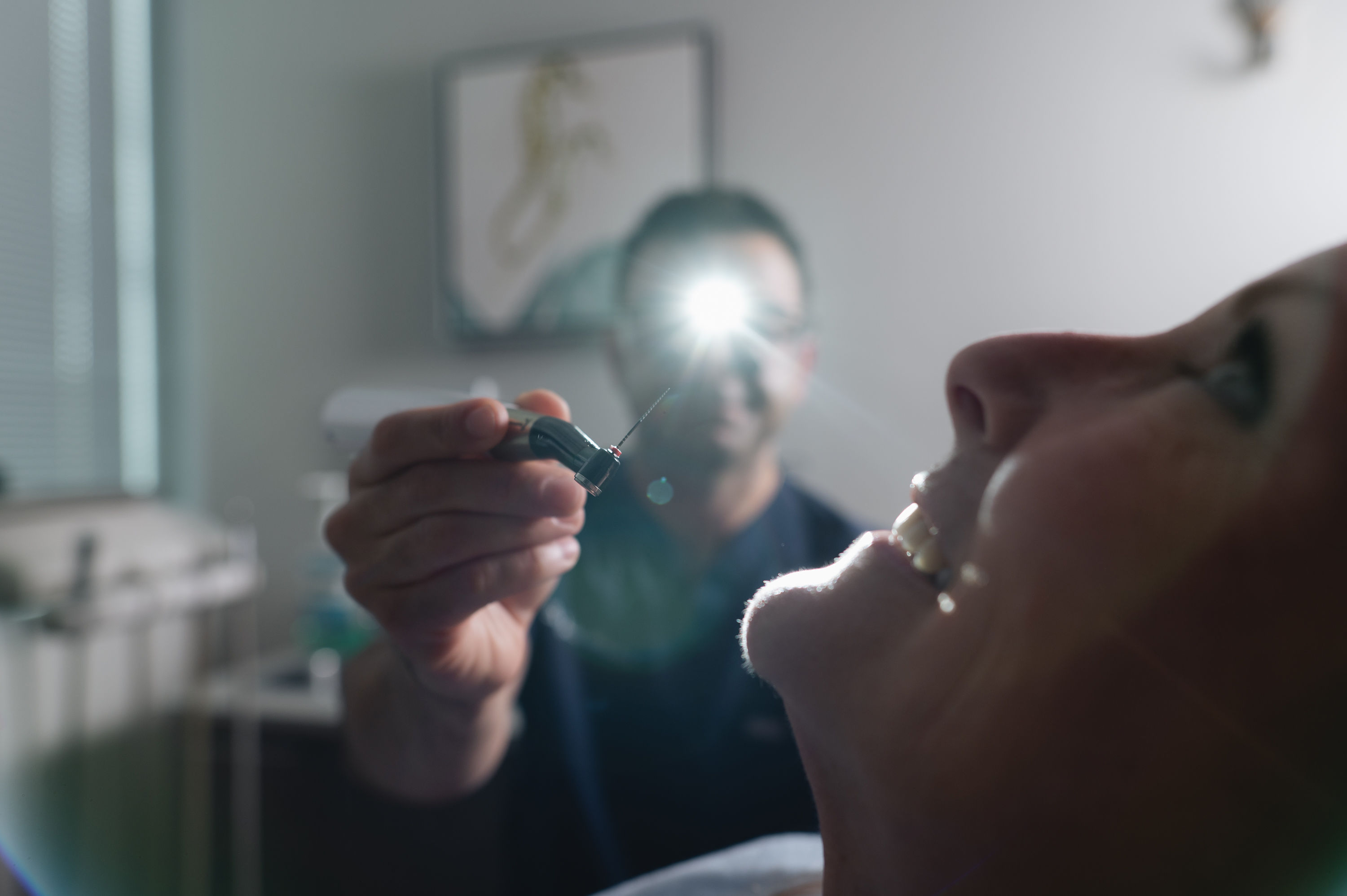
Root Canal Treatment in Virginia Beach
If you're reading this with a tooth that's throbbing and a stomach that's in knots, start here: root canal treatment is designed to relieve the pain caused by inflammation or infection inside a tooth, not create more of it. Dr. Jacob Mirpanah and the team at Hilltop Dental perform root canal therapy right in our Virginia Beach office on First Colonial Road.
During a root canal, we remove inflamed, infected, or damaged tissue from inside the tooth, carefully clean and shape the canals, and seal the space. The goal is to preserve a natural tooth that might otherwise need to be removed. If the tooth is too damaged to save, we'll explain why and discuss appropriate replacement options, including dental implants when indicated.
If a tooth is hurting right now, call us at (757) 412-2235. We reserve time for urgent dental needs and will help determine how quickly you should be seen.
Quick Takeaways
- Getting you comfortable comes first. We thoroughly numb the treatment area before beginning. If dental anxiety is part of the picture, ask about our sedation options.
- Plan on one or more visits, depending on the tooth. Some root canals can be completed in a single appointment, while more complex cases may require additional treatment. A crown, when needed, is completed separately.
- A tooth that stops hurting isn't necessarily healed. Symptoms can change even when inflammation, infection, or damage inside the tooth still requires attention.
- Ask about the final restoration when discussing cost. A filling or crown may be needed to protect the tooth afterward, so it's important to understand the complete treatment plan.
How a Root Canal Actually Works
Knowing what happens during treatment can make the appointment feel much more manageable. Here's the general sequence.
1. We look before we touch
Dr. Mirpanah begins with an examination and digital X-rays to understand what's happening inside and around the tooth. When additional detail is necessary, cone beam imaging can provide a three-dimensional view of the tooth, roots, and surrounding structures. An intraoral camera may also help us show you what we're seeing and explain why treatment is being recommended.
2. We get the tooth thoroughly numb
Local anesthetic is used to numb the treatment area before the procedure begins. We allow time for the anesthetic to take effect and make sure you're comfortable before moving forward.
If anxiety is a concern, nitrous oxide and oral conscious sedation are also available for eligible patients. Let us know how you're feeling so we can discuss the level of support that may be appropriate for you.
3. We clean the inside of the tooth
A small opening is created so we can access the pulp chamber and root canals. Inflamed, infected, or damaged pulp tissue is removed, and the canals are carefully cleaned and shaped.
This eliminates the diseased tissue inside the tooth and prepares the canals to be sealed.
4. We seal it
Once the canals have been cleaned and shaped, they're filled and sealed to help prevent bacteria from reentering the space. Depending on your individual case, treatment may be completed during one appointment or require an additional visit.
5. We protect the tooth
After root canal treatment, the tooth needs an appropriate final restoration. Depending on its location, remaining structure, and the forces placed on it, that may involve a filling or crown. Back teeth frequently require crowns because they withstand significant chewing forces.
If the tooth is too damaged to restore predictably, Dr. Mirpanah will explain the reasons and discuss other options before moving forward.
What You Get Out of Keeping the Tooth
- Relief from the source of your symptoms. Root canal treatment removes inflamed or infected pulp tissue that may be responsible for significant tooth pain and sensitivity.
- You preserve your natural tooth. When a tooth can be predictably restored, root canal treatment allows it to remain in place rather than being extracted and replaced.
- Your bite remains supported. Keeping a natural tooth helps maintain the existing relationship between neighboring and opposing teeth.
- The source of infection is addressed. When infection develops inside a tooth, treating the affected tissue helps prevent the problem from progressing into the surrounding structures.
- The tooth can return to everyday function. Once treatment and the final restoration are complete, the goal is for the tooth to function comfortably as part of your natural bite for years to come.
Preserving the natural tooth isn't always possible, but it's worth evaluating before deciding on extraction. We'll explain what we see and whether root canal therapy offers a predictable path forward.
Signs a Tooth May Need Treatment
Symptoms involving the pulp or nerve of a tooth can vary considerably. Some are difficult to ignore, while others may come and go.
Possible signs include:
- Severe, persistent, or throbbing tooth pain
- Pain or tenderness when biting or chewing
- Sensitivity to hot or cold that lingers after the source is removed
- A tooth that has darkened or changed color
- Swelling or tenderness in the gums near a particular tooth
- A recurring pimple-like bump on the gum
- Swelling involving the jaw or face
None of these symptoms automatically means you need a root canal. Cracks, gum problems, bite-related issues, and other conditions can cause similar symptoms, which is why an examination and appropriate imaging are important.
It's also possible for a tooth with significant pulp damage to become less painful over time. A change or disappearance in symptoms doesn't confirm that the underlying problem has resolved, so a tooth that has been causing persistent trouble should still be evaluated.
If a deep crack, extensive decay, or another problem makes preservation unlikely, we'll explain your alternatives, including extraction and tooth replacement when appropriate.
Timeline: How Long This Takes
The visit itself
Root canal appointments commonly take around 60 to 90 minutes, although treatment time varies depending on the tooth and its anatomy. Molars typically have more canals than front teeth and can require additional time.
Complex anatomy, existing restorations, previous treatment, or the extent of infection may also affect how many appointments are needed.
The days after
Some tenderness around the tooth is common for a few days after treatment, particularly when biting or chewing. We'll provide specific aftercare instructions and discuss appropriate options for managing discomfort.
Many patients return to their normal activities relatively quickly. If discomfort becomes more intense rather than gradually improving, or you develop significant swelling or other concerning symptoms, contact our office.
The final restoration
Depending on the tooth, a filling or crown may be recommended after root canal therapy. Until the final restoration is complete, you'll need to be careful when chewing on the treated tooth, particularly if you're wearing a temporary restoration. Dr. Mirpanah will explain the expected timeline before treatment so you know what comes next.
After Your Appointment
After your root canal, avoid chewing on the treated tooth until the numbness has worn off. If you have a temporary restoration, be especially careful with hard or sticky foods until the permanent restoration is completed. Continue brushing and flossing as instructed.
Contact us if you notice:
- Pain that becomes worse instead of gradually improving
- New or increasing swelling in the gum, cheek, or jaw
- A temporary filling or crown that becomes loose or falls out
- A bite that feels noticeably high or uncomfortable
- Symptoms that concern you or feel different from what we told you to expect
Once treatment and the final restoration are complete, the tooth returns to your regular oral hygiene and preventive dental routine.
Cost, Insurance, and Payment
We review pricing after evaluating the tooth because root canal treatment varies from case to case. The tooth being treated matters because front teeth, premolars, and molars have different root canal anatomy. Treatment complexity, previous dental work, and the type of restoration needed afterward can also affect the overall cost.
Dental benefits for root canal therapy vary by plan. Hilltop Dental works with a number of PPO plans, and our team can help review your available benefits, deductible, and annual maximum before treatment begins.
For expenses not covered by dental benefits, we offer third-party financing through Cherry, subject to approval. If cost is making you hesitant to address a painful tooth, let us know. We can explain the recommended treatment, associated fees, and available payment options before you decide how to proceed.
Why Patients Come to Us for This
Dr. Jacob Mirpanah, DDS, MS, has pursued continuing education in root canal therapy, implant surgery, and full-mouth rehabilitation, including completion of a year-long Comprehensive Implant Residency Program. This broader restorative background helps him consider both the immediate problem and what the tooth will need for long-term function.
If a tooth can be preserved, we'll explain what treatment and restoration involve. If it cannot be predictably saved, we can also discuss what comes next, including dental implant treatment when appropriate. Many aspects of care can be coordinated within our First Colonial Road office rather than requiring visits to multiple practices.
Our technology includes cone beam imaging, digital radiography, and intraoral cameras to support diagnosis and treatment planning. For patients who feel anxious about dental care, nitrous oxide and oral conscious sedation are available for eligible patients.
Just as importantly, we understand that needing a root canal can make people nervous. We'll explain what we're doing, answer your questions, and make sure you know what to expect before treatment begins. Hilltop Dental is an independently owned Virginia Beach practice accepting new patients.
Frequently Asked Questions
Does a root canal hurt?
The tooth itself may be painful before treatment because the pulp inside it is inflamed or infected. During root canal therapy, local anesthesia is used to thoroughly numb the treatment area. You may feel pressure or movement during the procedure, but you shouldn't feel sharp pain. Some tenderness afterward is normal and should gradually improve as the area heals.
My tooth stopped hurting. Do I still need treatment?
Possibly. A tooth can become less painful even when the pulp has been significantly damaged or has died. On the other hand, symptoms can also change for reasons unrelated to pulp death. The important point is that pain disappearing doesn't tell us whether the tooth has healed. If you've had significant or persistent symptoms, an examination and imaging can determine whether treatment is still necessary.
Why does the tooth need a crown afterward?
Not every root canal-treated tooth automatically requires a crown. The appropriate restoration depends on the tooth's location, how much healthy structure remains, previous restorations, and the forces it experiences when you bite. Back teeth commonly benefit from crowns because they handle substantial chewing forces and may already have lost significant structure. Dr. Mirpanah will explain which restoration is appropriate for your tooth.
Can I drive myself home?
If you've received only local anesthesia, you can generally drive yourself home. Nitrous oxide wears off quickly for most patients, but we'll make sure you've recovered appropriately before you leave. Oral conscious sedation is different and requires you to arrange transportation. We'll provide specific instructions in advance if sedation is part of your treatment.
What if the tooth can't be saved?
Sometimes a tooth has a deep crack, extensive decay, inadequate remaining structure, or another condition that makes predictable restoration unlikely. If that's the case, Dr. Mirpanah will explain why root canal treatment isn't the best option and discuss appropriate alternatives. Depending on your situation, those may include extraction followed by a dental implant or another form of tooth replacement.
Let's Get That Tooth Taken Care Of
The anticipation surrounding a root canal is often harder than understanding what the treatment actually involves. The purpose is straightforward: remove damaged or infected tissue from inside the tooth, relieve the source of symptoms, and preserve the natural tooth when it's healthy enough to restore.
If the tooth can't be saved, we'll explain why and discuss your replacement options rather than recommending treatment that isn't likely to last.
Call Hilltop Dental at (757) 412-2235 to schedule an appointment with Dr. Jacob Mirpanah at our First Colonial Road office in Virginia Beach. If you're currently dealing with significant tooth pain or swelling, let our team know when you call so we can help determine how quickly you should be seen.
Smiling Starts Here
Our team is ready to welcome you on the phone, online, and in person. Call
(757) 412-2235
or request an appointment online to set up your first visit. We’ll be in touch soon. We are ready to answer any questions you may have!

